In bookkeeping, categorizing expenses accurately is crucial for financial reporting and tax purposes. This section details the various types of business expenses and how they are classified. Fixed expenses stay the same regardless of the company’s production flow. Even if a company pauses production for a month, the company needs to pay for these things. These obligations include mortgages or rent, employee salaries, insurance costs, loan payments, and property taxes.

Tip 1: It Isn’t Your Money
- On track for 90% automation by 2027, HighRadius is driving toward full finance autonomy.
- An expense in accounting refers to money spent and costs incurred by a company in generating revenue.
- Revenue expenditures are costs for day-to-day operations, providing benefits only within the current accounting period.
- Efficient management of these costs can significantly affect product pricing and margins.
Fortunately, mobile expense tracking apps like QuickBooks Online make managing expenses easy – even while you’re on the go. If an expense is for both business and personal use, you can only deduct the portion of the expense that applies to your business. For example, if you drive a vehicle for business and personal use, you can only deduct the percentage of vehicle-related costs that apply to business use. Another way to segment costs is between operational and nonoperational expenses. Companies periodically check if the standard costs differ from the actual costs.
- Costs are averaged over large quantities, making it suitable for mass production.
- Activity Based Costing is used to identify overhead costs from all the relevant departments within the production setup.
- The value of assets should be assessed regularly to determine if they have suffered impairment or not.
- Rent – Businesses that can’t afford to purchase a space to operate usually rent a space from another company.
- Period costs – are not inventoriable and are charged against revenue immediately.
Expenses vs Capital Expenditures

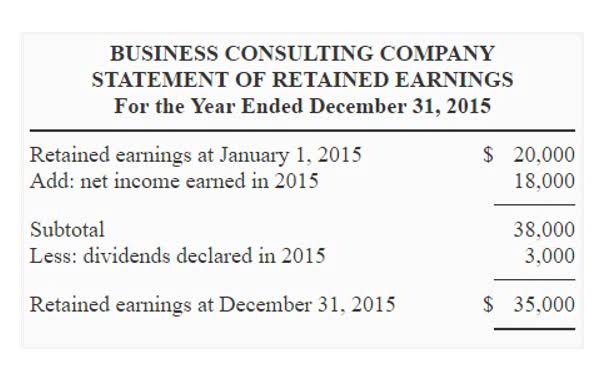
In other words, these costs refer to those that will affect a decision. The value of assets should be assessed retained earnings balance sheet regularly to determine if they have suffered impairment or not. Operating profit is what remains after deducting all other overheads. Finance costs such as Interest in Bank loans, Debentures or Preference Shares are deducted from Operating Profit to get your Profit Before Tax. Provisions are monies set aside to cover probable future expenses. Examples of provisions are provisions for doubtful debt, provisions for bad debt.
- Staying on top of your expenses and business budget also helps you identify problems like overspending and cash flow issues early on – so you can nip them in the bud before they become bigger concerns.
- It also includes the cost incurred in training employees to use it.
- By investing in these areas, Hershey aims to drive sales growth, enhance brand recognition, and streamline its internal processes.
- Costs for business communication, including landline, mobile phone services, and internet connectivity, are accounted for in this category.
- For the past 52 years, Harold Averkamp (CPA, MBA) has worked as an accounting supervisor, manager, consultant, university instructor, and innovator in teaching accounting online.
- This information guides decisions on pricing, production volume, and cost-saving measures.
- Cost accounting is an invaluable tool that helps various industries and sectors, providing essential insights for informed decision-making, cost control, and financial success.
Marginal Costing
Manufacturing costs – incurred in the factory to convert raw materials into finished goods. It includes cost of raw materials used (direct materials), direct labor, and factory overhead. Taxation is an expense your business cannot avoid except in cases where you have a tax credit, incurred loss or your business is tax-exempt. For small businesses whose revenue is less than 1 million, the tax rate is 20% for the first 5 years but others pay 30% of their operating profit after deducting types of expenses in accounting all finance cost as tax. Legal fees, accountancy fees and other fees paid for professional or consultancy services rendered to a business are deducted from the gross profit or total income in the income statement.
Fixed expenses
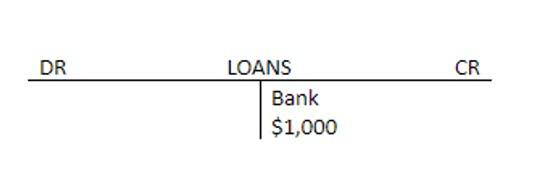
We will also understand what the difference Online Bookkeeping is between expenses and expenditures. As the diagram above illustrates, there are several types of expenses. The most common way to categorize them is into operating vs. non-operating and fixed vs. variable.